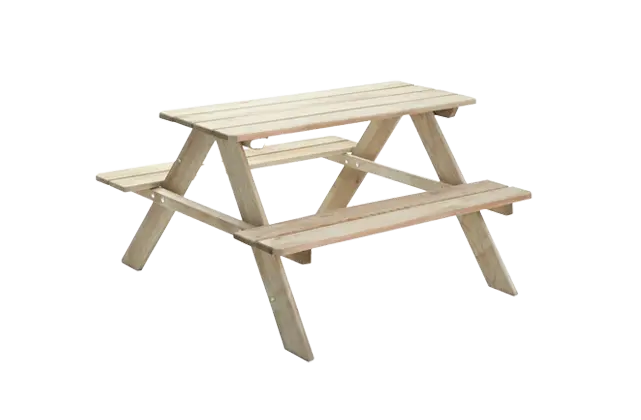
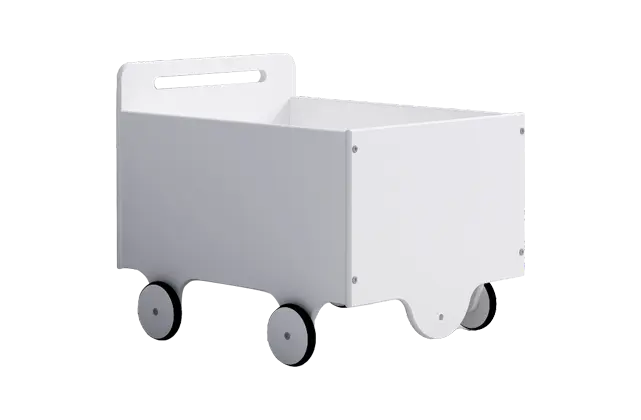
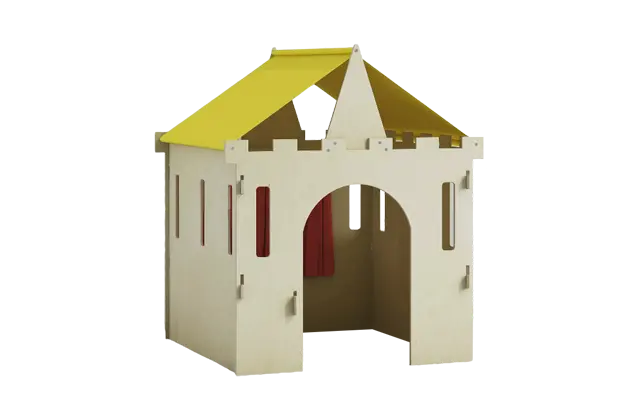
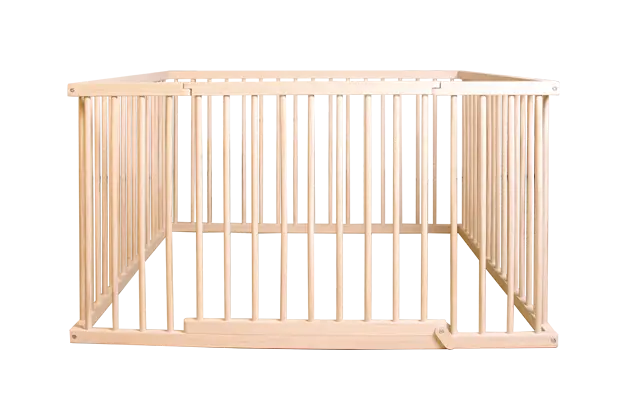
Walk into any children's furniture store, and you'll face a choice. On one side, you see bright plastic tables and themed chairs. On the other, simple, solid wood structures that feel almost serene.
This isn't just a choice about color or cost. It's a choice between two different philosophies of childhood. One views furniture as a container for a child, the other as a tool for their development. At Homish, we believe in empowering parents with knowledge. This guide won’t tell you one is universally "better." Instead, we’ll explore the core differences between Montessori and standard furniture, so you can decide which is right for your child and your home.
The Core Difference: A Question of Philosophy
The divide starts with a simple question: What is the purpose of children's furniture?
Standard Furniture's Goal: To accommodate the child. It’s designed for safety, comfort, and often, entertainment. Think of a high chair with a built-in toy tray, or a crib with fixed, high rails.
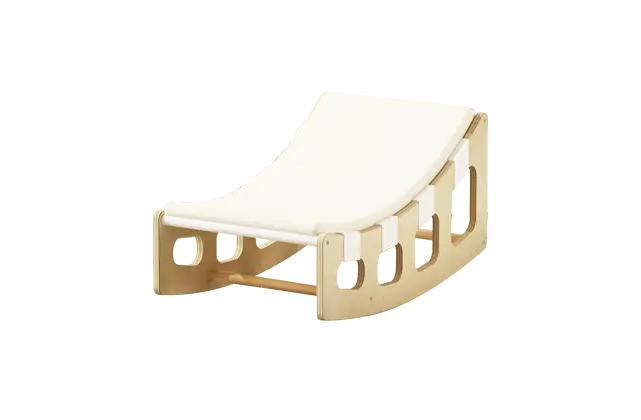
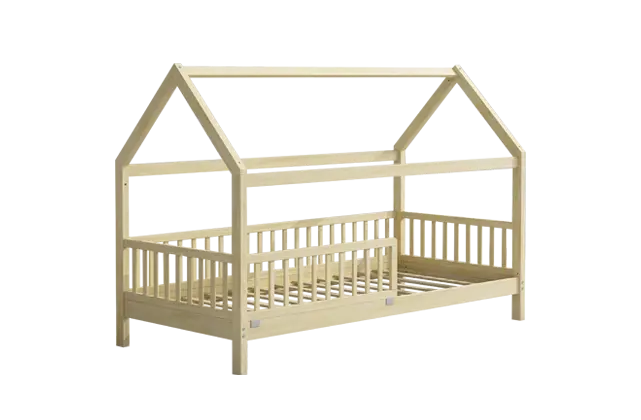
Montessori Furniture's Goal: To empower the child. It’s designed to foster independence, freedom of movement, and real-world engagement. Think of a learning tower that brings them to the counter, or a Montessori floor bed by montessori furniture supplier they can get in and out of freely.
Side-by-Side: A Detailed Comparison
Let’s break down how this philosophical difference plays out in the real world. Fostering Independence: "Help Me Do It Myself"
This is the heart of the Montessori method.
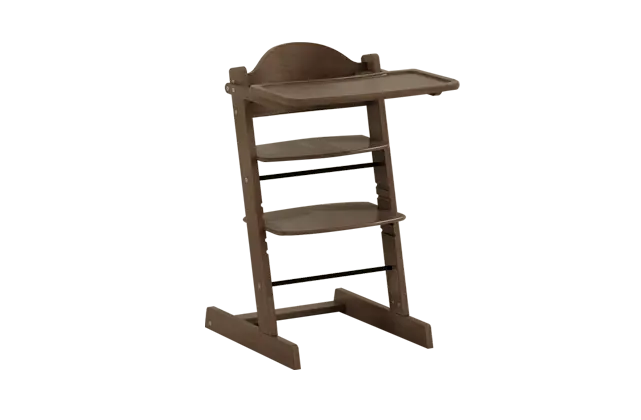
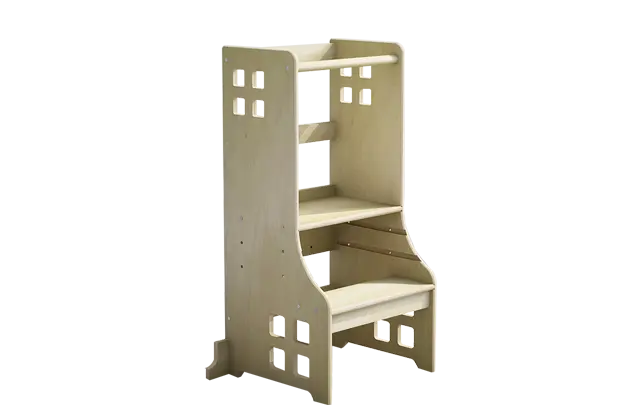
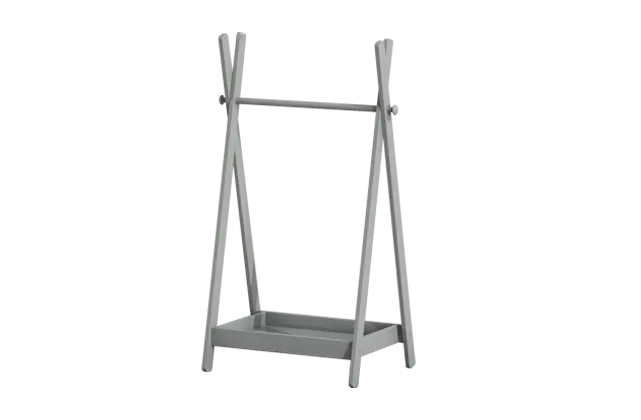
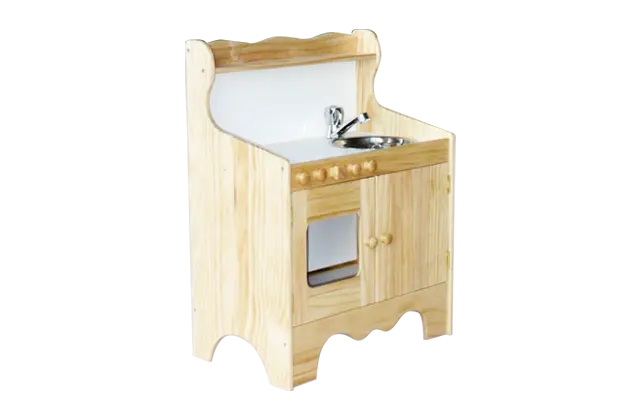
Montessori: The montessori kitchen furniture is child-sized and accessible. A weaning chair is light enough for a toddler to move. A Montessori wardrobe allows them to choose their clothes. A toddler helper tower safely includes them in kitchen activities. Every piece is designed to say, "You are capable."
Standard: Furniture often does things for the child. A parent straps them into a high chair, lifts them into a crib, and puts toys on a tray for them. The design prioritizes containment and safety over self-directed activity.
Design & Aesthetics: Minimalist vs. Thematic
Look and feel matter—for both the child's focus and your home's harmony.
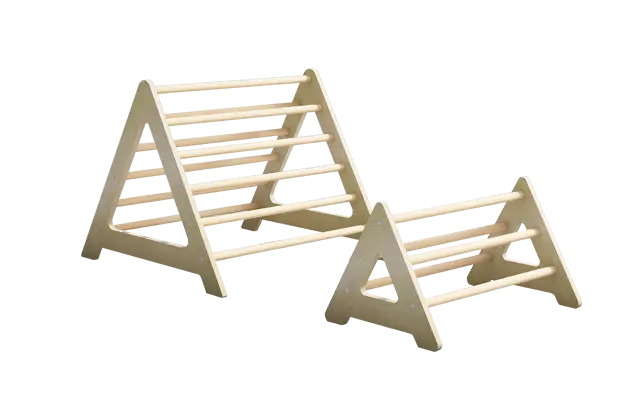
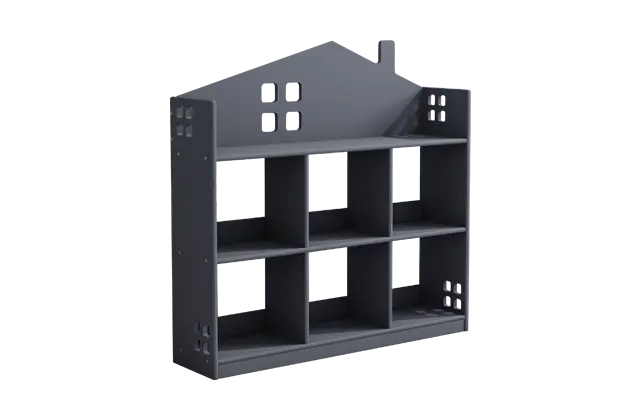
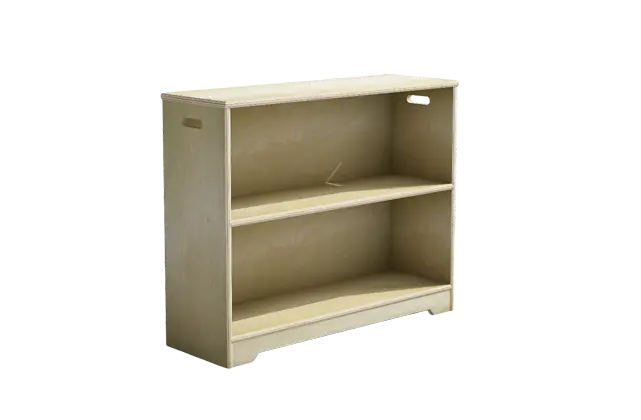
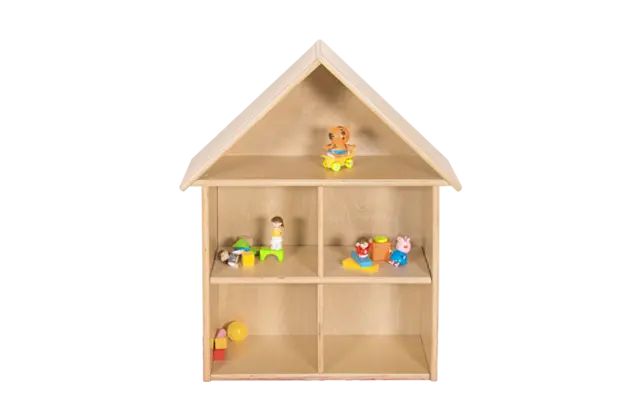
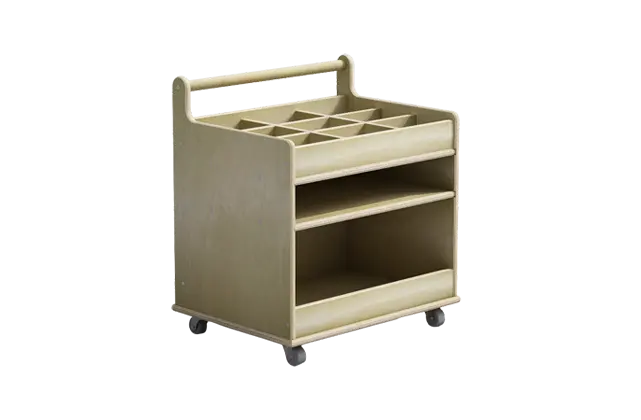
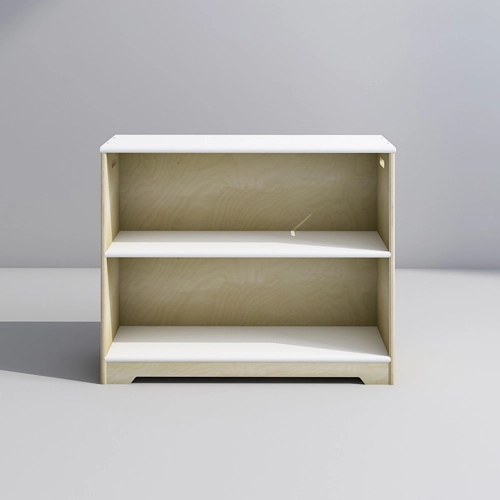
Montessori: Embraces a minimalist, natural aesthetic. You'll find clean lines, solid wood finishes, and neutral colors. A Montessori bookshelf openly displays a few curated books or toys, reducing overstimulation and encouraging deep engagement. A Pikler triangle is a simple, beautiful invitation to move.
Standard: Often features bright colors, cartoon characters, and complex themes. While engaging, this can be visually overstimulating and may clash with your home's decor. The focus is on external entertainment rather than internal focus.
Materials & Durability: Investment vs. Disposable
What it's made of determines how long it lasts and how it feels.
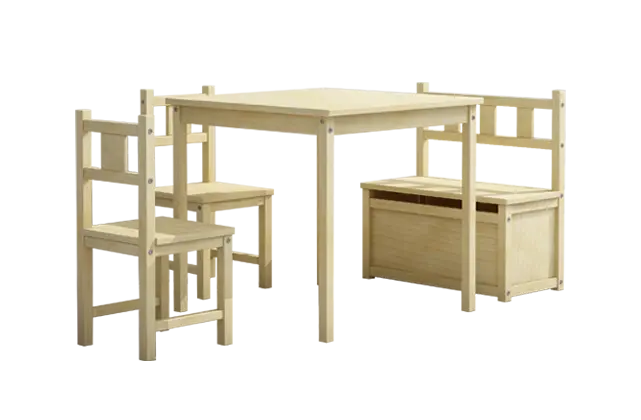
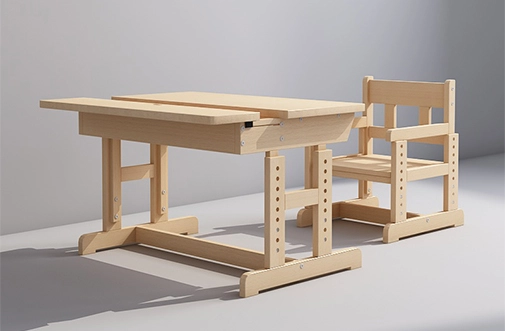
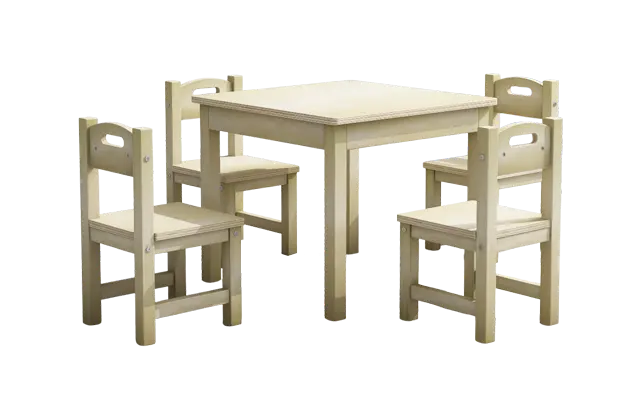
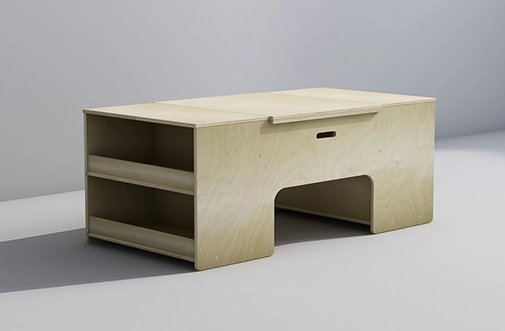
Montessori: Prioritizes natural, high-quality materials like solid beech, oak, or maple. A solid wood toddler table can withstand years of art projects and become an heirloom. These materials are not only durable but also provide a warm, tactile experience.
Standard: Relies heavily on plastic, MDF, and particleboard. These are cost-effective and easy to clean, but they are less durable and can show wear and tear quickly. They lack the sensory richness and longevity of wood.
Cost & Long-Term Value: Price vs. Cost-Per-Use
Let's be honest: budget matters.
Montessori: Has a higher initial price point. A handmade Montessori climber or a solid wood learning tower is an investment. However, you are paying for durability, timeless design, and a piece that can often be used for multiple children and even resold.
Standard: Wins on immediate affordability. You can easily find a plastic activity table for a fraction of the cost. This is perfect for temporary needs or tight budgets. The trade-off is a shorter lifespan and less resale value.
The Hybrid Approach: Getting the Best of Both Worlds
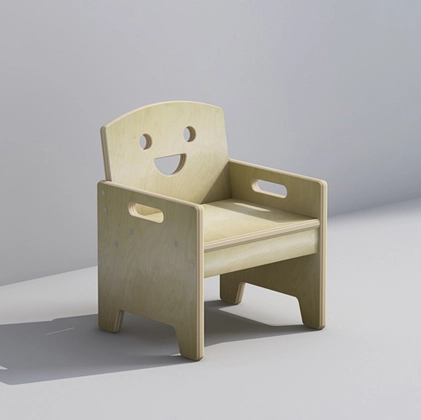
You don't have to choose one camp exclusively. Many families successfully blend both styles to fit their lifestyle and budget.
Example: You might invest in key Montessori pieces that see heavy daily use and promote the most independence—like a Montessori bed and a helper tower for toddlers.
Then, you could choose standard, budget-friendly options for items with a shorter useful life, like a dedicated art table or a storage bin for outdoor toys.
Conclusion: Which Path is Right for Your Family?
So, which type of custom childrens furniture should you choose? Ask yourself these questions:
Choose MONTESSORI if: Fostering independence is a top priority, you value minimalist design and natural materials, and you view furniture as a long-term investment.
Choose STANDARD if: Your budget is the primary concern, you need a quick solution for a specific short-term need, or your child is particularly drawn to colorful, themed items.
There is no "wrong" answer, only the right answer for your unique family. The most important thing is to create a home environment where your child feels safe, loved, and encouraged to explore.

 Nov 25, 2025