Wooden vs. Plastic Kids Benches: Which Is the Better Choice?
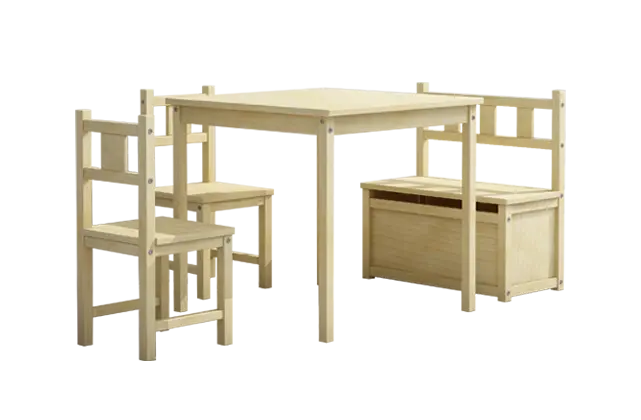
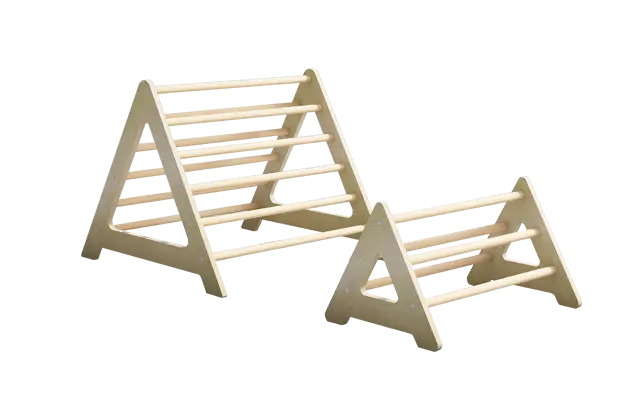
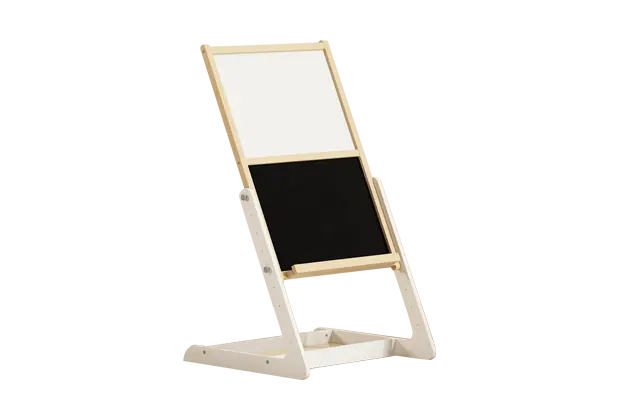
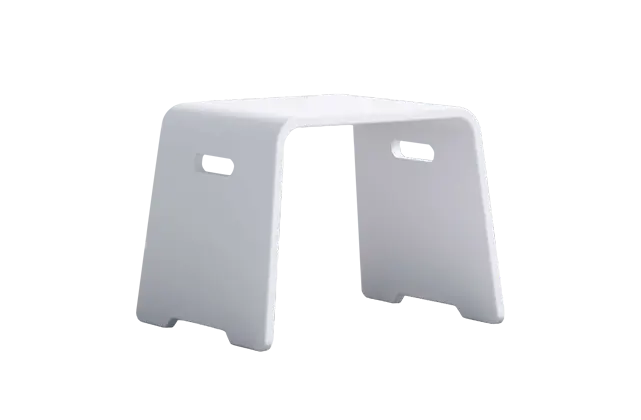
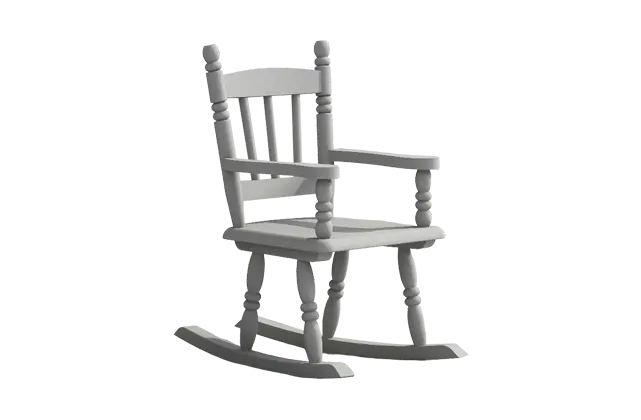
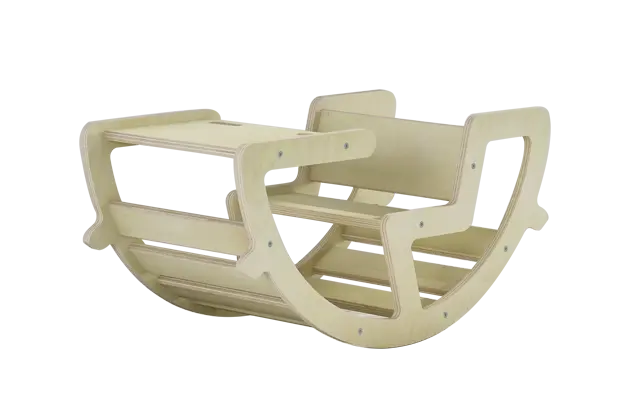
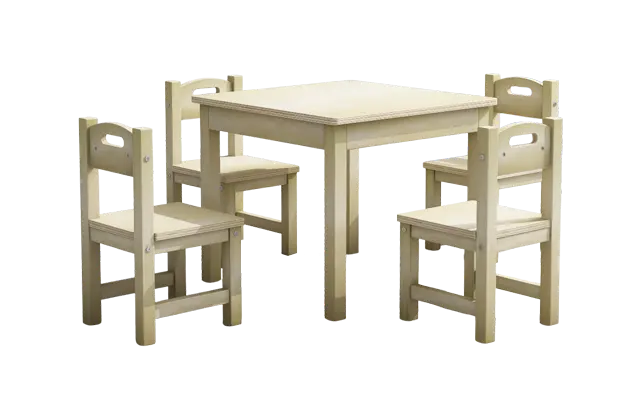
Choosing the right seating for children requires balancing sustainability, durability, ease of cleaning, aesthetics, and overall value. Whether you’re furnishing a toddler activity table, a children’s classroom table, or pairing the bench with a toddler wooden chair or kids rocking chair, the material you choose can influence both functionality and long-term usability. This guide breaks down the key differences between wooden and plastic kids benches—while also touching on related child-friendly furniture such as toddler helper towers and Montessori climbers.
Environmental Impact
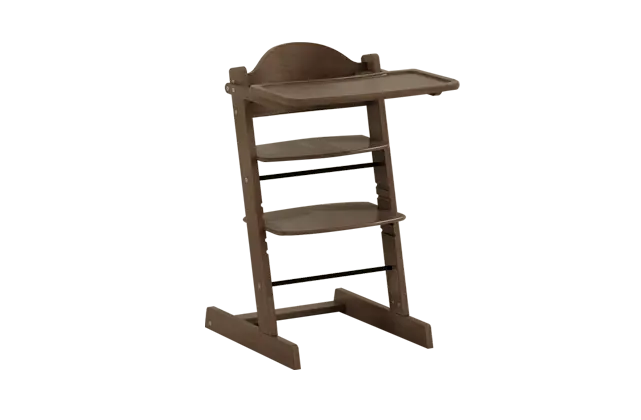
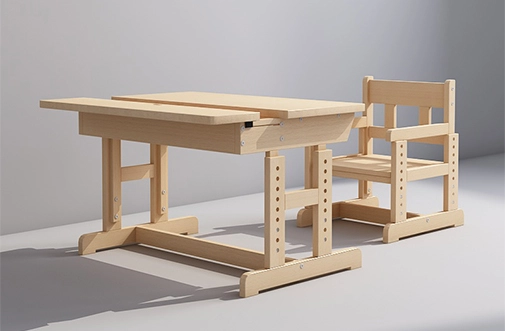
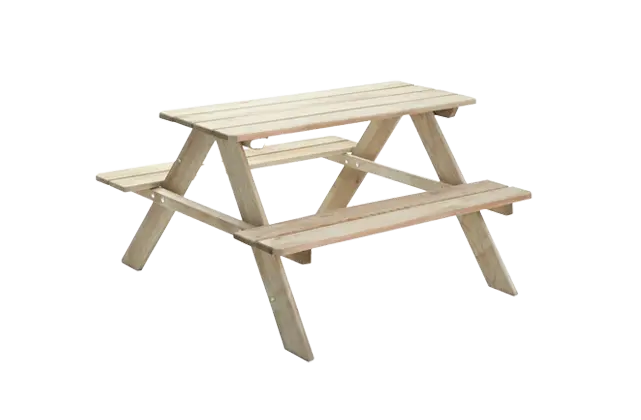
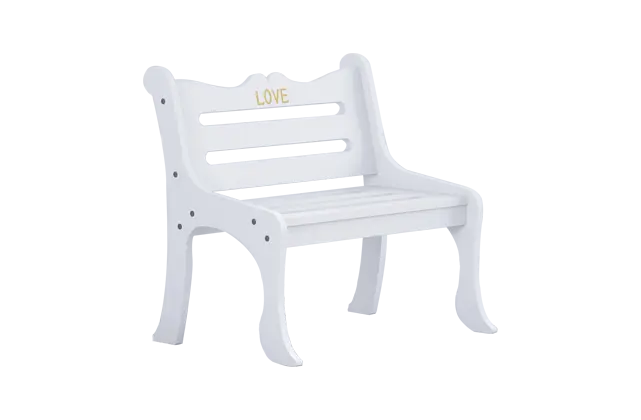
For families and educators who prioritize eco-friendly choices, wooden benches are the clear winner. Made from renewable, responsibly sourced timber, wooden kids benches offer a sustainable alternative that naturally decomposes at the end of their lifecycle. This makes them ideal for parents choosing solid wood toddler tables and chairs or Montessori-inspired settings. Plastic benches, although inexpensive to produce, pose environmental concerns. Their manufacturing process consumes fossil fuels, and their low recycling rates contribute to long-term waste. Plastic takes centuries to degrade, making it a less sustainable choice.
| Material | Sustainability | Biodegradable |
|---|
| Wood | High – renewable sources | Yes |
| Plastic | Low – fossil fuels | No |
Durability
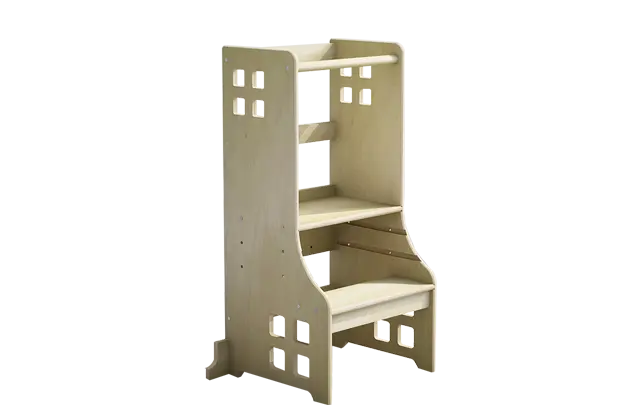
In high-activity environments—such as playrooms, preschools, and areas with toddler helper stools or activity tables—durability matters. Hardwood benches made from oak, birch, or maple provide exceptional strength and long-lasting performance. They withstand rough handling, making them suitable for children’s classroom tables or spaces featuring foldable toddler towers. Plastic benches are lightweight and easy to move, but they tend to crack, bend, or fade when exposed to sunlight or heavy use. For long-term investment, wooden benches offer superior durability.
Ease of Cleaning
Cleaning needs differ depending on the environment. Wooden benches can absorb moisture and stain if unfinished, but high-quality finishes make clean-up simple and maintain the bench’s longevity—ideal for households that also use toddler standing towers. Plastic benches excel in low-maintenance environments. Their non-porous surfaces make them easy to wipe down after snack time, craft sessions, or messy play involving Montessori climbers and kids wooden chairs.
Design & Style
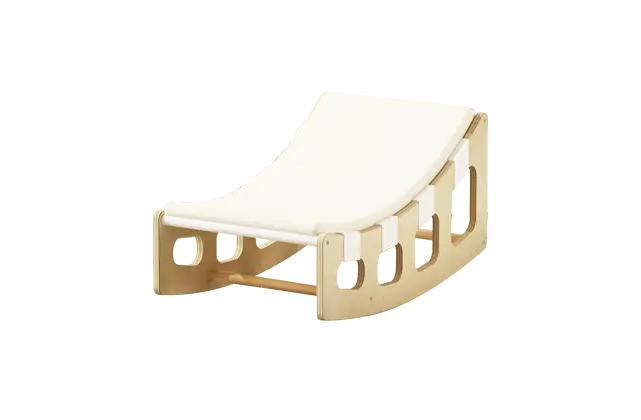
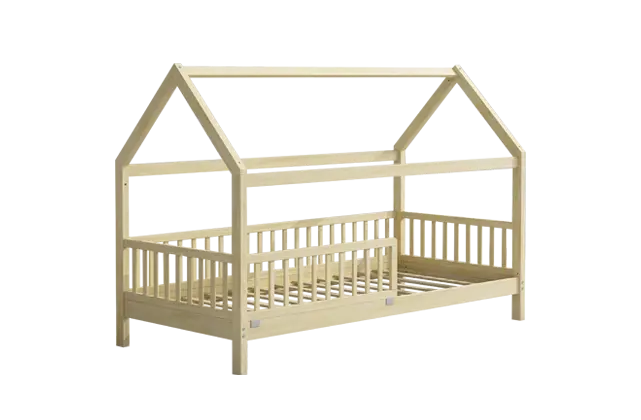
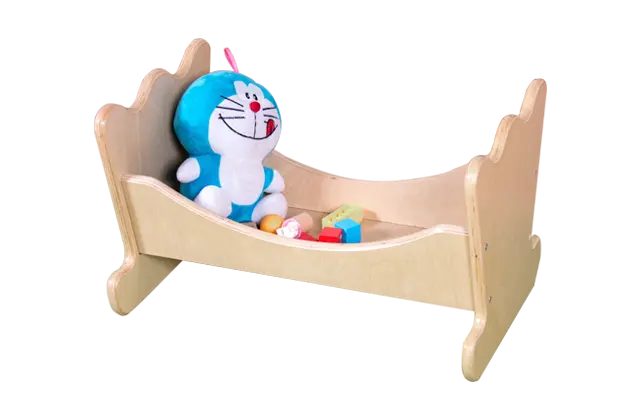
Wooden kids benches offer a warm, timeless look that integrates beautifully into natural, Montessori-inspired interiors. They pair well with baby cradles, Montessori beds for toddlers, and other earthy, minimalist furniture. Wood can also be stained or painted for custom styling. Plastic benches offer bold colors, playful shapes, and modern designs. They are popular in bright classroom settings or play areas with creative elements like climber triangles.
Pricing & Value
Wooden benches usually cost more upfront due to their natural materials and craftsmanship. However, their durability and long-term value often outweigh the initial investment, especially for parents or schools looking for lasting learning chairs and children’s classroom tables. Plastic benches are generally more affordable and attract budget-conscious buyers or institutions needing bulk seating such as kids wooden chairs and children’s benches. While cheaper, they may require more frequent replacements.
Conclusion
Wooden and plastic kids benches each offer benefits—but your choice ultimately depends on your priorities.
Choose wooden benches if you value sustainability, long-term durability, and a warm, natural aesthetic.
Choose plastic benches if you need a lightweight, low-maintenance, and colorful option for fast-paced environments.
By evaluating factors like longevity, eco-friendliness, ease of cleaning, and design style, you can select the best seating solution—whether furnishing a kitchen stool for toddlers, a study nook, or a welcoming Montessori-inspired classroom.
 Jun 27, 2026