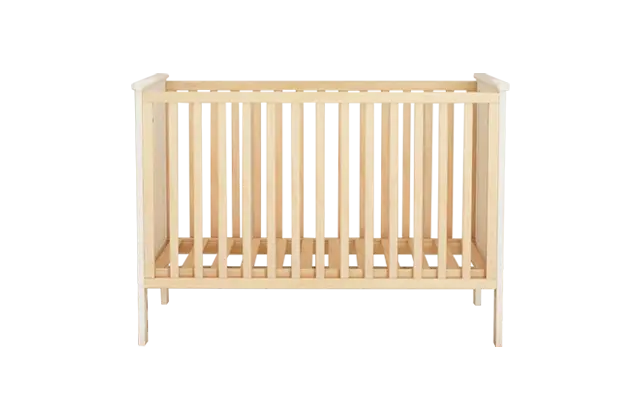
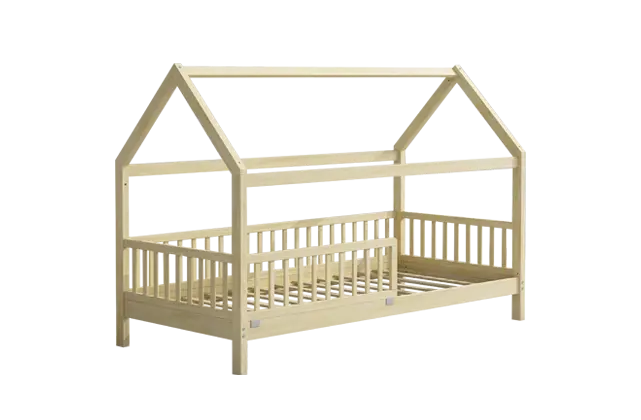
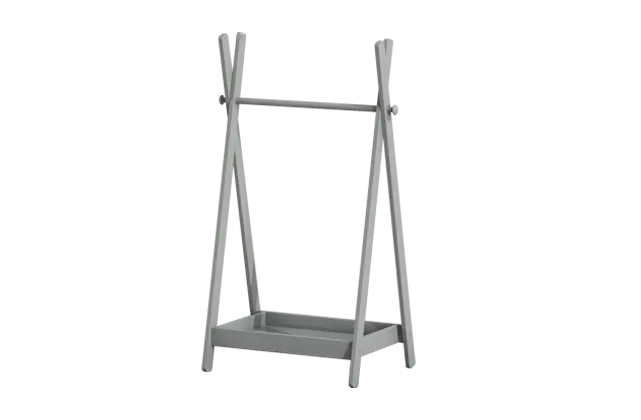
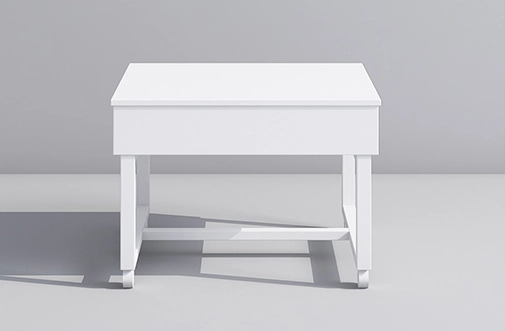
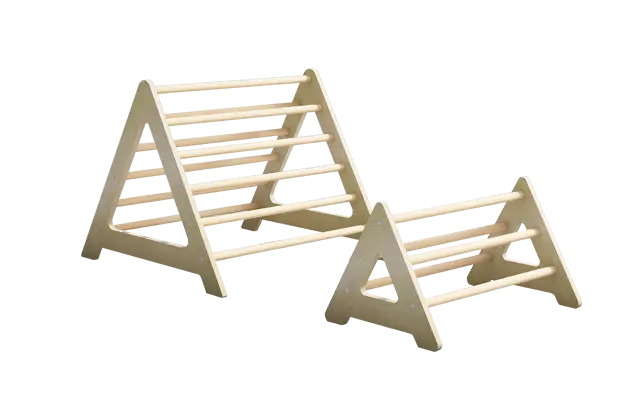
Choosing a baby cot is one of the most important decisions for new parents. Unlike many nursery items, a cot directly affects infant sleep safety during the first months and years of life. During this stage, babies are unable to understand or avoid physical risks, which makes structural safety, material safety, and design reliability extremely important.
To help regulate safety across different markets, international organizations have developed standardized testing systems. The most widely referenced frameworks are BSEN 716 (Europe & UK), ASTM F1169 (United States), and AS/NZS 2172 (Australia & New Zealand).
A baby cot safety standard is a regulated set of technical requirements that defines minimum safety levels for infant sleep furniture, including structural stability, spacing control, and material safety.
Why Baby Cot Safety Standards Matter
Baby cots are used for long hours every day, often without constant supervision. Because of this, even small design flaws can lead to serious safety risks.
The most common hazards include:
Entrapment (head, arms, or legs getting stuck between slats)
Falls caused by incorrect mattress height or unstable structure
Exposure to harmful chemicals in paint or coatings
Structural failure due to poor material strength or weak joints
According to the World Health Organization (WHO), unintentional injuries are among the leading causes of harm in early childhood globally. Safe sleep environments are therefore a key preventive factor in reducing avoidable risks, which is why choosing products from a trusted baby cot manufacturer is especially important for families.
This is why compliance with recognized safety standards is considered a baseline requirement in many countries, rather than an optional feature.
Quick Comparison of BSEN, ASTM & AS/NZS Standards
| Standard | Region | Full Name | Main Focus | Key Safety Priority |
|---|
| BSEN 716 | Europe / UK | European Standard for Children's Furniture | Structural stability & spacing | Anti-entrapment design |
| ASTM F1169 | United States | Consumer Safety Specification for Full-Size Baby Cribs | Mechanical strength & durability | Load and stress testing |
| AS/NZS 2172 | Australia / New Zealand | Safety Requirements for Household Cots | Material safety & stability | Chemical and structural safety |
Although these standards are region-specific, they share the same core objective: ensuring infant sleep environments are safe, stable, and free from avoidable hazards.
BSEN 716 Standard (Europe & UK)
BSEN 716 is one of the most widely used baby cot safety standards in Europe and the UK.
It focuses on preventing physical injury through strict structural design rules.
Key safety requirements include:
Controlled spacing between cot slats to reduce entrapment risk
Structural stability testing to prevent tipping or collapse
Adjustable mattress height safety to reduce climbing-related falls
Safe surface materials compliant with EN 71-3 chemical migration limits
European safety frameworks emphasize long-term durability and structural reliability, ensuring that baby cots remain safe throughout extended daily use.
For parents, BSEN compliance is often seen as a strong indicator that a product has undergone rigorous safety evaluation.
ASTM F1169 Standard (United States)
ASTM F1169 is widely adopted in the United States and focuses heavily on mechanical strength and durability under real-world conditions.
Key requirements include:
Strict slat spacing limits (approximately 2⅜ inches / ~6.03 cm)
Mattress support load testing to ensure structural strength
Stability testing under repeated stress and movement
Prohibition of unsafe structural designs such as hazardous drop-side mechanisms
The ASTM system is particularly focused on how a cot performs over time, not just at the point of manufacturing.
This makes it especially relevant for families who expect long-term daily use.
AS/NZS 2172 Standard (Australia & New Zealand)
AS/NZS 2172 defines safety requirements for household cots in Australia and New Zealand, with strong emphasis on both physical safety and material health.
Key requirements include:
Controlled gap spacing to prevent entrapment risks
Stability testing under angled force conditions
Restrictions on sharp edges and decorative openings
Emphasis on non-toxic and low-emission materials
Compared with other regions, AS/NZS places additional attention on chemical safety, reflecting broader consumer safety expectations in Australia and New Zealand.
What All Three Standards Have in Common
Despite regional differences, BSEN, ASTM, and AS/NZS share several fundamental safety principles:
| Safety Area | Requirement |
|---|
| Structural safety | Prevent collapse or instability |
| Entrapment prevention | Controlled spacing between components |
| Material safety | Non-toxic finishes and coatings |
| Stability testing | Resistance to tipping or movement |
The main differences lie in testing methods and measurement thresholds, rather than safety philosophy.
How to Verify a Baby Cot Is Truly Safe
When evaluating baby cot safety, parents should go beyond marketing claims such as “complies with standards.”
Instead, they should look for:
Third-party certification reports from organizations such as SGS, TÜV, or Intertek
Clear reference to specific safety standards (BSEN 716, ASTM F1169, AS/NZS 2172)
Transparent documentation of testing procedures
Verified material safety compliance information
A common misunderstanding is that “compliance” always equals “certification.” In reality, certification typically involves independent laboratory testing, while compliance may sometimes refer to manufacturer declarations—especially in the case of custom childrens furniture, where product specifications can vary significantly depending on design and customization requirements.
Example of a Multifunctional Cot Designed With International Safety Standards in Mind
Modern nursery furniture design increasingly integrates multiple safety frameworks while also addressing real-life parenting needs such as flexibility and space efficiency.
A well-designed multifunctional cot typically considers:
Structural reinforcement for long-term stability
Safe slat spacing aligned with international standards
Non-toxic, low-emission surface finishes
Adjustable mattress height for different growth stages
Lockable castor wheels for controlled mobility
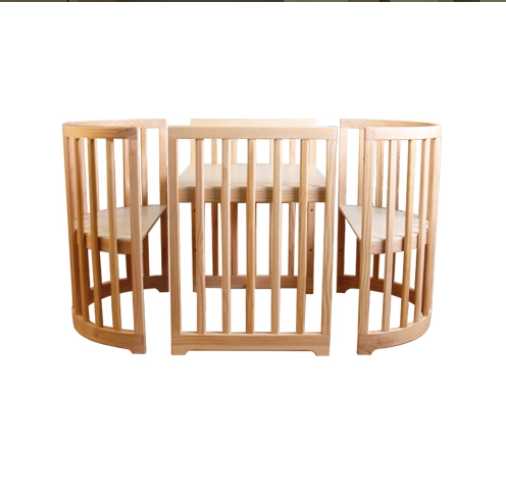
In this context, some nursery furniture designs from homishkids are developed with alignment to international safety standards such as BSEN 716, ASTM F1169, and AS/NZS 2172, while also focusing on practical usability in modern homes.
Rather than being a single-feature product, a multifunctional cot represents a balance between verified safety requirements and everyday parenting convenience.
Why Multifunctional Cot Design Matters
Beyond safety certification, modern parents also value practicality.
A multifunctional cot can help reduce the need for multiple pieces of furniture by combining:
Sleeping space
Adjustable configurations
Mobility for room-to-room movement
Long-term usability as the child grows
This makes it particularly suitable for urban households where space efficiency is an important consideration.
FAQ
Q1: Which safety standard is the strictest for baby cots?
Each standard focuses on different priorities. ASTM emphasizes mechanical strength, BSEN focuses on structural design safety, and AS/NZS emphasizes material safety.
Q2: Is one safety standard enough for a baby cot?
Yes, compliance with one recognized standard already indicates baseline safety. Multiple certifications provide broader assurance.
Q3: Are baby cots with wheels safe?
Yes, if they include lockable castors and pass stability testing under load conditions.
Q4: What is the biggest risk in baby cot design?
Entrapment due to unsafe spacing and structural instability are among the most critical risks.
Q5: Should I avoid second-hand baby cots?
In general, yes. Older cots may not meet updated safety standards or may have structural wear over time.
Summary
BSEN, ASTM, and AS/NZS are the three major international safety standards for baby cots, each focusing on structural safety, durability, and material safety. While their testing methods differ, they share the same goal of preventing entrapment, falls, and chemical exposure. Understanding these standards helps parents make more informed decisions when choosing nursery furniture. A well-designed multifunctional cot combines these safety principles with practical usability for modern families.
You May Also Like




 Jun 18, 2024