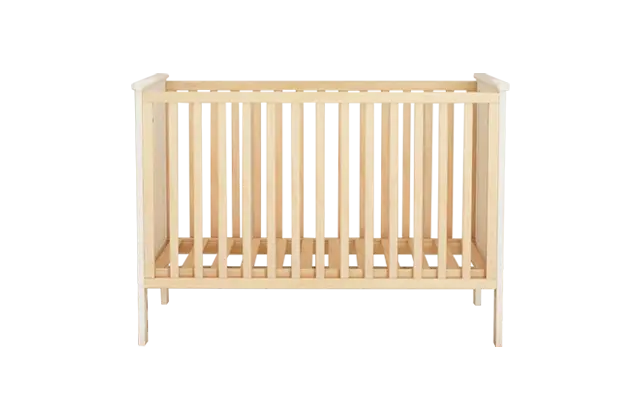
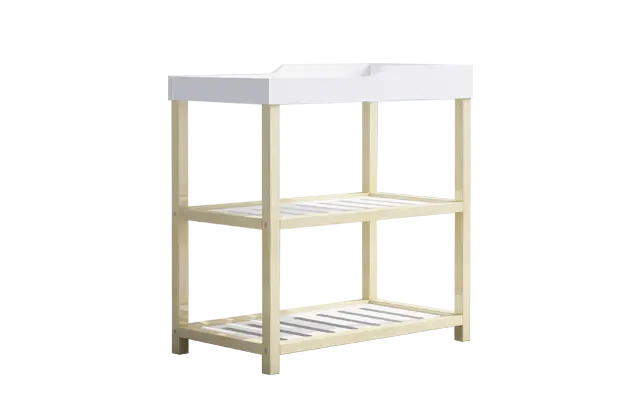
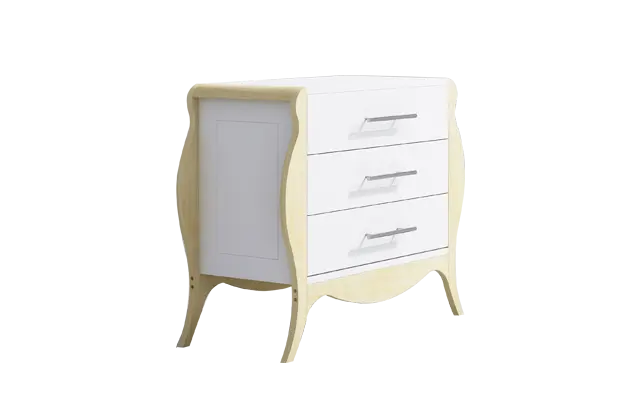
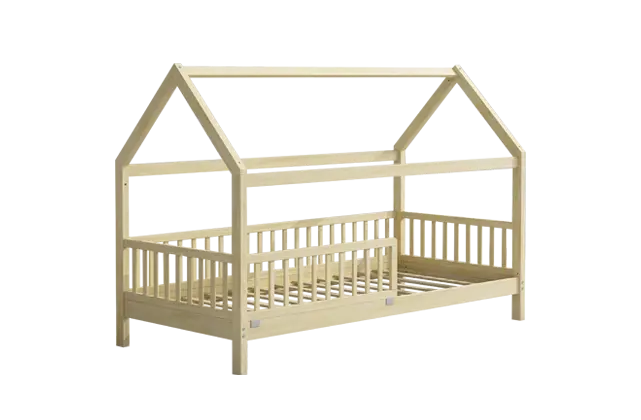
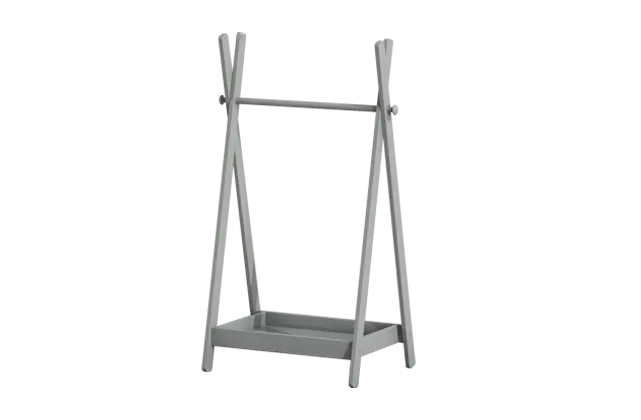
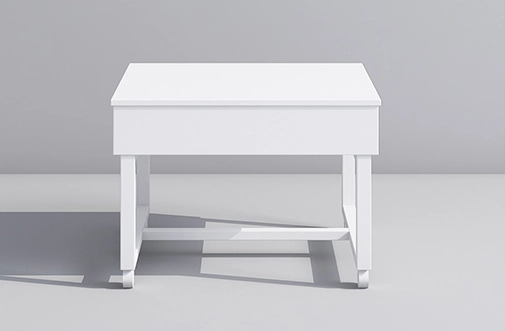
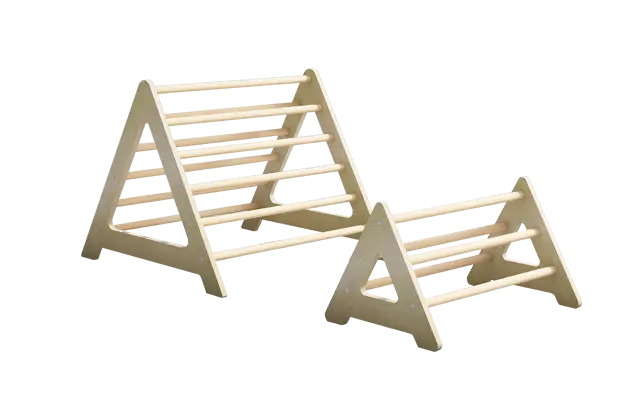
Designing a nursery in a small apartment is one of the most common challenges for modern parents. Limited floor space, shared bedrooms, and multifunction living environments require furniture that does more than just fit—it must actively improve usability and reduce clutter.
A well-planned nursery is not defined by size, but by how efficiently the space is organized and how flexibly it can adapt over time. In this context, a multifunctional cot becomes the central solution for compact nursery planning.
Why Small Nursery Design Matters in Modern Homes
In many urban apartments, nursery rooms are often under 8–10㎡. Parents still need to accommodate sleeping, changing, storage, and movement zones within this limited area.
Common challenges include:
· Limited usable floor space
· Too many separate furniture items
· Restricted movement paths
· Constant reorganization as the baby grows
This is why modern nursery planning is shifting from “adding more furniture” to “using smarter furniture systems.”A space saving baby cot is now the foundation of efficient nursery design.
Key Principles of Space-Saving Nursery Design
Before choosing furniture, every small nursery should follow five essential principles:
| Principle | Meaning | Benefit |
|---|
| Function consolidation | One item serves multiple roles | Reduces furniture quantity |
| Vertical storage use | Use wall height instead of floor space | Frees walking area |
| Flexible layout | Furniture can move or adjust | Supports changing needs |
| Clear movement flow | Keep pathways open | Improves usability |
| Minimal footprint design | Compact furniture size | Prevents overcrowding |
These principles directly determine whether a nursery feels functional or cramped.
Case in Point: How a Multifunctional Cot Solves All Five Principles
A modern multifunctional cot with castors directly addresses all five design principles in one system.
| Principle | Real Implementation in Homish Kids Multifunctional Cot |
|---|
| Function consolidation | Converts from baby cot to toddler bed, removing the need for a second bed |
| Vertical storage use | Elevated frame allows under-cot storage boxes |
| Flexible layout | Built-in cot with castors enables instant room repositioning |
| Clear movement flow | Compact 120x60cm footprint preserves walking space |
| Minimal footprint design | Replaces multiple furniture pieces, saving up to 50% space |
This is where theory becomes practical—one product replaces an entire nursery furniture system.
Why a Multifunctional Cot Is Ideal for Small Nurseries
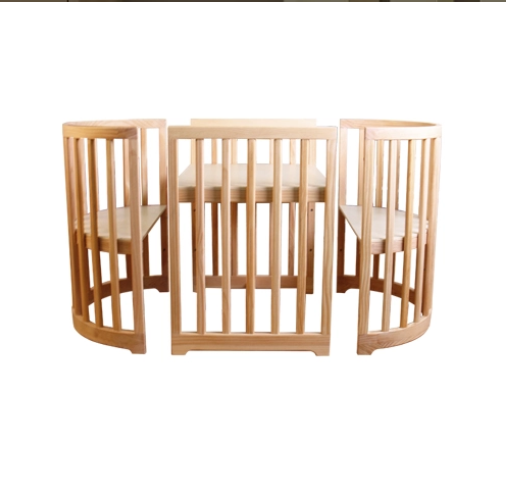
A multifunctional cot is especially valuable in compact homes because it reduces duplication and increases long-term usability.
For example, the Homish Kids multifunctional cot measures 120cm L x 65cm W x 85cm H, making it suitable for rooms under 8㎡ while still fitting a standard 120x60cm mattress.
This compact structure allows parents to maintain both functionality and open space at the same time.
Space-Saving Furniture Comparison
| Setup Type | Furniture Included | Floor Space Used |
|---|
| Traditional nursery | Cot + toddler bed + diaper table + storage cabinet | ~3.5㎡ |
| Homish Kids solution | Multifunctional cot with castors + compact changing area | ~1.8㎡ |
This shows how a small nursery cot designed with mobility and multifunctionality can significantly reduce spatial pressure in apartments.
Layout Ideas for Small Nurseries
Designing a nursery is not just about placing furniture—it is about creating an efficient movement system inside a limited space.
Layout 1: Wall-Aligned Minimal Setup
In this layout, the cot is placed along the longest wall to maximize central floor space. Storage units are installed above or beside the cot to avoid blocking movement paths.
This design works especially well in narrow rooms because it keeps the center area open, allowing parents to move freely when carrying the baby or performing daily care routines.
Overall, this layout is ideal for families who prioritize openness and simplicity.
Layout 2: Corner Optimization Setup
In a corner layout, the cot is placed in an unused corner to maximize space efficiency. Storage is distributed along two adjacent walls, while a compact care zone is positioned nearby.
This setup creates a natural separation between sleeping and care zones without adding extra furniture.
It is especially effective for square-shaped rooms where corners are often underutilized.
Bonus Layout: The Mobile Nursery (Dynamic Layout)
A major advantage of a cot with castors is that it enables a fully mobile nursery system.
Instead of relying on a fixed layout, parents can move the cot based on daily needs:
· Nighttime: placed in parents' bedroom
· Daytime: moved to nursery room
· Nap time: rolled into living room for supervision
This dynamic approach is impossible with traditional fixed cots.
It transforms the nursery from a static room into a flexible living system.
Why Mobility Changes Everything
A cot with castors fundamentally changes how space is used in small homes.
Key benefits include:
· Easier cleaning under furniture
· Flexible room rearrangement
· Better nighttime access for parents
· Multi-room usability
This mobility is one of the biggest advantages in modern nursery design.
Common Nursery Design Mistakes
Many parents unintentionally reduce usable space due to planning mistakes:
· Buying oversized furniture first
· Ignoring movement pathways
· Using too many single-purpose items
· Blocking natural light
· Not planning for growth stages
Avoiding these mistakes often improves usability more than increasing room size.
Modern Nursery Furniture Trends
Modern nursery design is shifting toward:
· Compact structural engineering
· Multi-use furniture systems
· Mobile and flexible layouts
· Long-term adaptability
In this context, baby cot manufacturer brands like Homish Kids focus on combining flexibility, compact design, and mobility to meet real urban living needs.
A multifunctional cot is no longer just a bed—it is a space optimization system.
Practical Nursery Planning Checklist
Before finalizing your layout, check:
· Is there clear walking space?
· Can furniture move or adapt?
· Is vertical storage being used?
· Does the cot support growth stages?
· Is the layout flexible enough for daily routines?
FAQ: Small Nursery Design
Q1: What is the best cot for small nurseries?
A multifunctional cot with castors is ideal because it combines flexibility, compact design, and long-term usability.
Q2: What is a small nursery cot?
A small nursery cot is a compact baby bed designed specifically for limited living spaces.
Q3: Can I move a cot easily for cleaning?
Yes. A cot with castors allows smooth movement for cleaning and room rearrangement.
Q4: How much space can a multifunctional cot save?
It can reduce total furniture footprint by up to 50% compared to traditional nursery setups.
Q5: Is Homish Kids multifunctional cot suitable for apartments?
Yes. The Homish Kids multifunctional cot is designed for compact urban living environments.
Summary
Small nursery design focuses on maximizing limited space through smart layout planning and multifunctional furniture. A multifunctional cot with castors helps reduce clutter, improve mobility, and adapt to changing baby needs. By replacing multiple furniture pieces with a single flexible solution, parents can create a functional, comfortable nursery even in small apartments.
Ready to maximize your small nursery?
Explore the Homish Kids Multifunctional Cot with Castors
Designed for compact living, flexible movement, and long-term usability.
References
· https://en.wikipedia.org/wiki/Nursery_(room)
· https://en.wikipedia.org/wiki/Interior_design
· https://en.wikipedia.org/wiki/Furniture
· https://www.who.int/home

 Jun 29, 2026