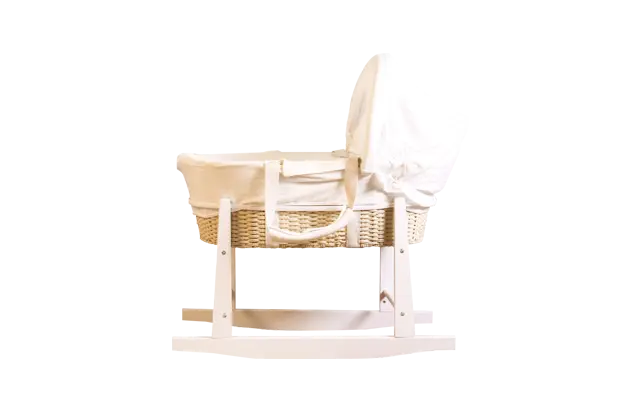
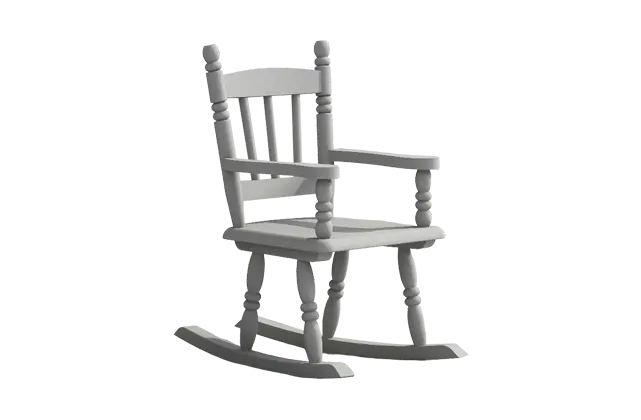
A rocking toy is a child-friendly movement-based play object designed to gently sway, rock, or balance the body, helping toddlers develop coordination, spatial awareness, and sensory integration through repetitive motion. In early childhood development, this type of movement is closely connected to the vestibular system, a sensory system located in the inner ear that helps humans understand balance, motion, and spatial orientation.
For toddlers starting from around age 1, rocking play is more than entertainment—it is a foundational activity that supports brain-body coordination during a critical period of sensory development. This article explains how rocking toys contribute to vestibular system development, what benefits they provide, and how parents can choose safe and meaningful options for early childhood environments.
Understanding the Vestibular System in Early Childhood
The vestibular system is one of the body's primary sensory systems. It is located in the inner ear and is responsible for detecting movement, head position, and spatial orientation. According to developmental neuroscience, it plays a key role in:
· Balance control
· Coordination of movement
· Postural stability
· Eye movement coordination
In toddlers, this system is still developing rapidly. During ages 1–5, children naturally seek movement-based play such as spinning, swinging, and rocking. These activities provide sensory input that helps the brain organize balance and spatial awareness more effectively.
Research in sensory integration theory suggests that consistent vestibular stimulation supports better motor planning and body awareness in early childhood development (Ayres, Sensory Integration Theory).
How Rocking Motion Stimulates Brain Development
Rocking toys provide a controlled and repetitive movement pattern that stimulates the vestibular system in a safe environment. Unlike unpredictable motion, rocking offers rhythmic input that the brain can process and adapt to gradually.
Key ways rocking supports development include:
1. Balance Training Through Repetition
Rocking forward and backward helps toddlers learn how their body responds to motion, improving equilibrium and posture control.
2. Spatial Awareness Development
As children move on a rocking toy, they begin to understand distance, direction, and body positioning in space.
3. Sensory Regulation
Gentle rhythmic motion can help regulate sensory input, which may support emotional calming and focus.
4. Motor Coordination Improvement
Rocking requires subtle muscle engagement in the core, legs, and arms, strengthening gross motor skills over time.
Comparison of Movement Activities in Early Childhood
Different types of movement contribute differently to vestibular system development. The table below shows how rocking compares with other common activities:
| Activity Type | Vestibular Input Level | Safety for Toddlers | Development Focus |
|---|
| Rocking Toy | Medium–High | High | Balance, rhythm, coordination |
| Swinging | High | Medium | Acceleration awareness |
| Spinning | Very High | Low–Medium | Spatial disorientation control |
| Walking/Running | Medium | High | Gross motor development |
| Climbing Play | Medium–High | Medium | Strength & coordination |
From this comparison, rocking toys provide one of the safest and most controlled ways to introduce vestibular stimulation, especially for children just beginning independent movement exploration.
Why Rocking Toys Are Important for Ages 1–5
Early childhood is a sensitive period for sensory system development. During this stage, repeated movement experiences help build neural pathways that support coordination and attention.
Rocking toys are particularly valuable because they:
· Offer predictable motion patterns
· Allow self-paced interaction
· Reduce risk compared to high-intensity movement play
· Encourage independent exploration
In Waldorf and Montessori-inspired environments, rocking toys are often used as open-ended tools that allow children to decide how they interact with movement, rather than following fixed instructions.
The Role of Waldorf-Inspired Rocking Designs
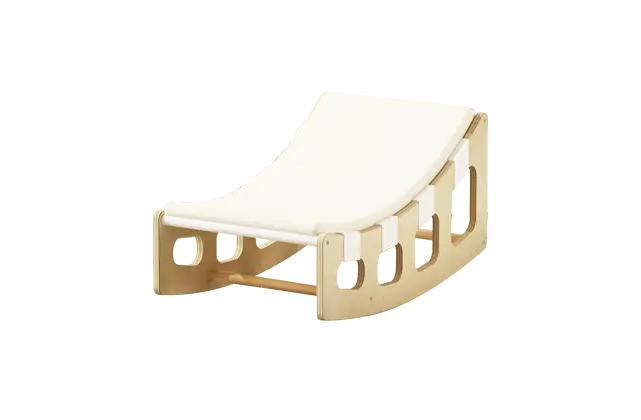
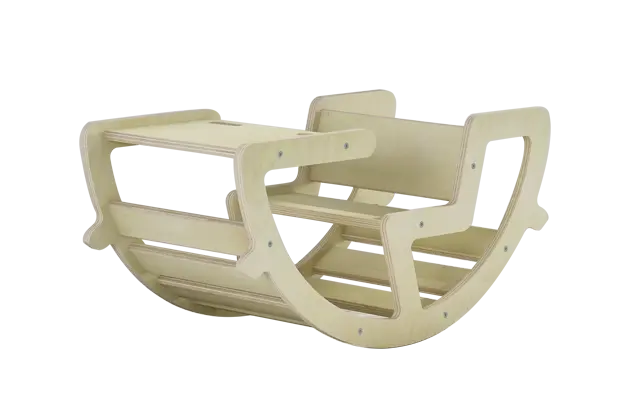
Waldorf-inspired toys emphasize natural materials, simplicity, and open-ended play. A typical example is a curved wooden rocker that allows multiple uses—rocking, balancing, climbing, or even imaginative play.
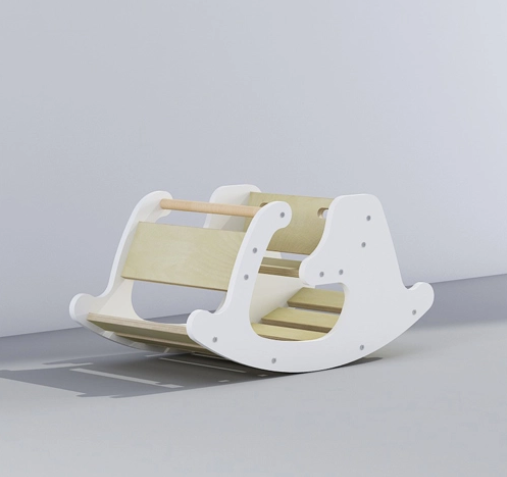
A product such as a waldorf rocker toy is designed to support these principles by:
· Using smooth, curved wooden structures for safe motion
· Encouraging self-directed play rather than structured activity
· Supporting sensory integration through natural movement
· Blending into home environments as functional play furniture
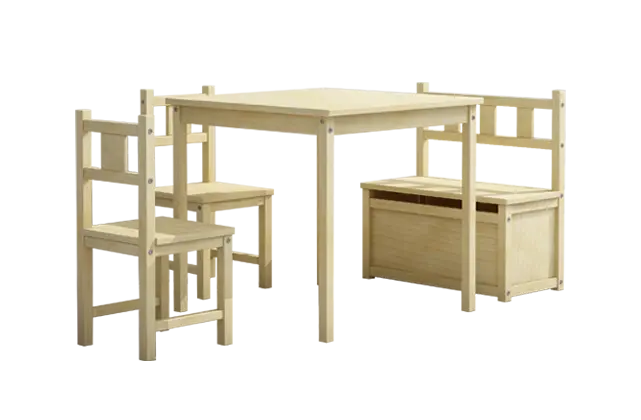
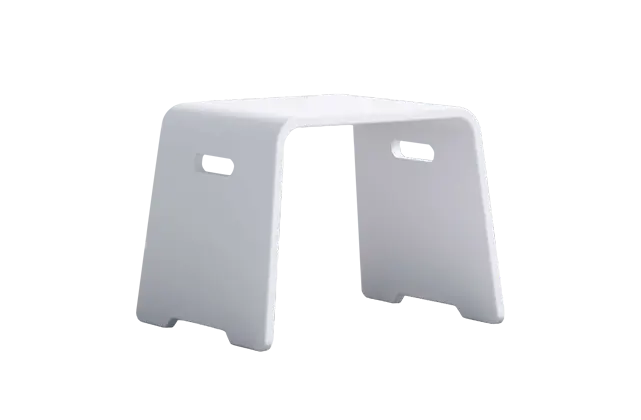
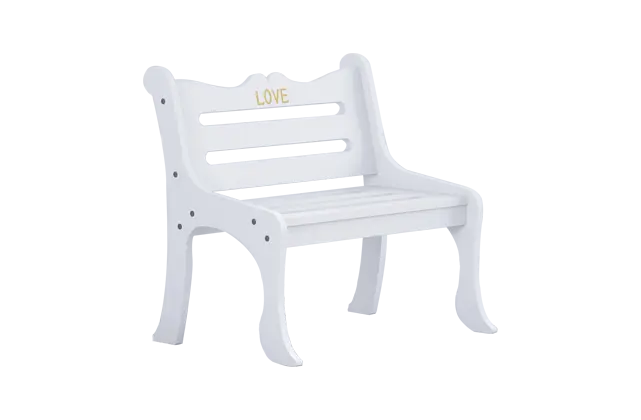
Some designs also function as a children toy bench, giving toddlers a dual-purpose object that can be used both for seating and movement play. This flexibility encourages long-term engagement and reduces toy redundancy in the home.
In modern nursery design, products from brands like homish kids focus on combining aesthetic simplicity with developmental functionality, aligning with both parental expectations and child development needs.
How to Choose a Safe Rocking Toy for Toddlers
When selecting a rocking toy for children aged 1 and above, safety and developmental value are the most important considerations.
Key factors include:
1. Stability of Base Design
A wider base reduces tipping risk and supports safe rocking motion.
2. Material Quality
Natural wood is often preferred for durability and sensory comfort.
3. Edge and Surface Finish
Rounded edges and non-toxic finishes are essential for toddler safety.
4. Weight Capacity and Size
The toy should match the child's age and physical development stage.
5. Multi-Use Design
Toys that support multiple play modes (rocking, sitting, climbing) offer longer usability.
Benefits of Rocking Toys for Developmental Growth
Regular interaction with rocking toys may support several developmental areas:
· Improved balance and posture control
· Enhanced sensory processing
· Better coordination between vision and movement
· Increased body awareness
· Early self-regulation skills
These benefits are particularly important in the first years of life, when the brain is highly adaptable and responsive to physical experiences.
Summary
Rocking toys play an important role in early childhood development by stimulating the vestibular system, which is essential for balance, coordination, and spatial awareness. From age one onward, safe and structured rocking motion helps toddlers build foundational motor and sensory skills. When designed with natural materials and open-ended play principles, rocking toys become more than furniture—they become developmental tools that support holistic growth in early learning environments.
Frequently Asked Questions (FAQ)
1. At what age can toddlers start using rocking toys?
Most children can begin using stable rocking toys around 12 months, depending on their motor development and ability to sit and stand independently.
2. Are rocking toys safe for daily use?
Yes, when designed with a stable base, rounded edges, and appropriate sizing, rocking toys are safe for supervised daily use.
3. How do rocking toys support brain development?
They stimulate the vestibular system, which helps the brain develop balance, spatial awareness, and coordination skills.
4. What is the difference between rocking toys and swings?
Rocking toys provide controlled, low-impact movement, while swings offer higher acceleration and more intense sensory input.
5. Can rocking toys help with focus and emotional regulation?
Yes, gentle rhythmic movement may help some children regulate sensory input, which can support attention and calm behavior.
References
https://en.wikipedia.org/wiki/Vestibular_system
https://en.wikipedia.org/wiki/Sensory_integration
https://en.wikipedia.org/wiki/Waldorf_education
https://en.wikipedia.org/wiki/Montessori_education

 Jun 29, 2026