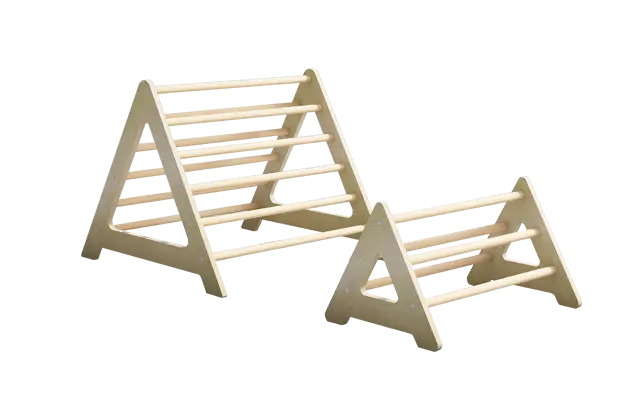
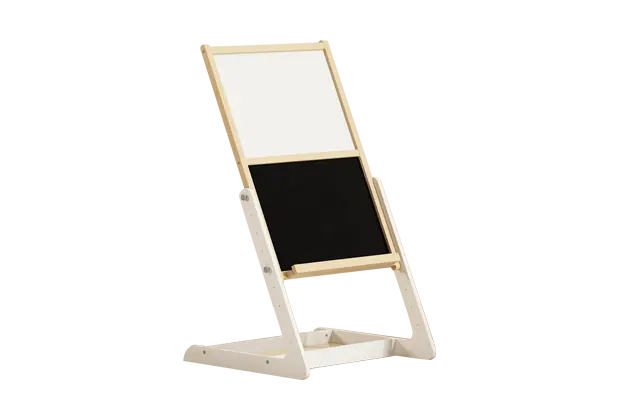
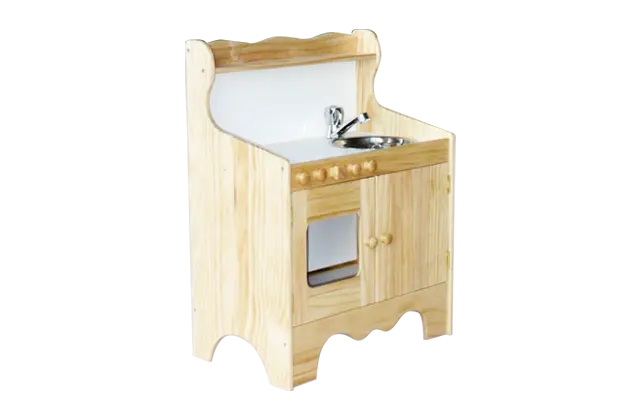
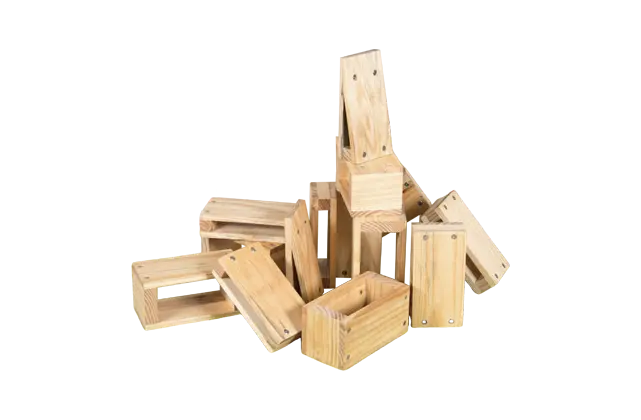
In 2026, early education buyers, Montessori schools, daycare centers, and children’s furniture wholesalers are increasingly focusing on student-centered classroom design. This approach organizes the learning environment around the child’s scale, independence, and ability to act with minimal adult assistance.
This philosophy has direct implications for furniture procurement. Classrooms where toddlers must wait for adults to pull out chairs or reach materials contradict the goals of Montessori and other child-centered programs.
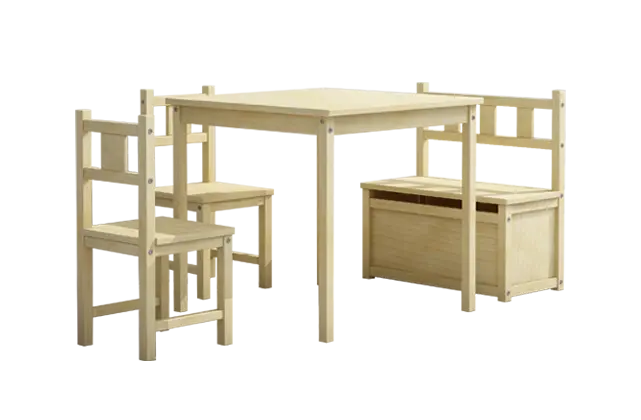
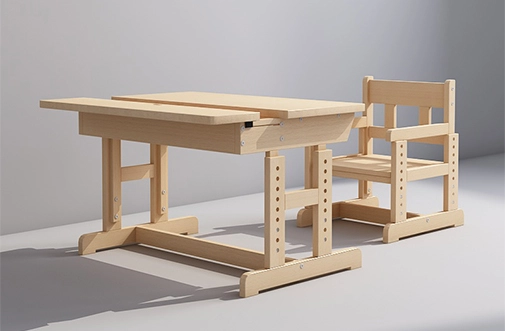
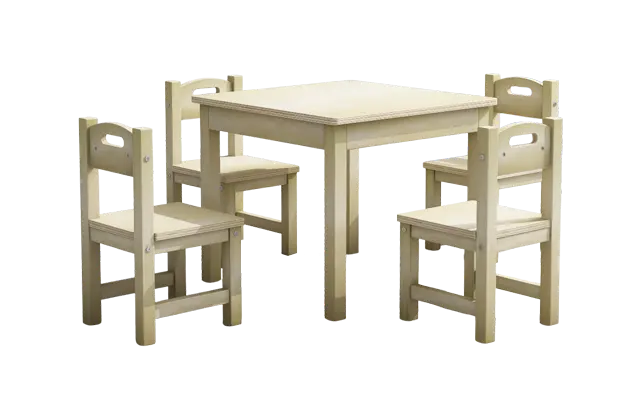
A well-designed Montessori chair table solves this problem. With child-sized proportions, stable construction, rounded edges, and appropriate height, it supports independence, concentration, and order — key foundations for early development.
For schools and wholesalers, such furniture is more than just a table and chair — it is an essential educational tool. Homish offers premium Montessori sets made from birch, beech, and New Zealand pine, featuring safe, lightweight, and easy-to-clean designs.
This guide explores why adult-sized furniture limits independence, what makes a true Montessori chair table different, and how to select and maintain high-quality pieces for long-term educational value.
Why Adult-Sized Classrooms Limit Toddler Independence — and Why the Wrong Furniture Creates the Dependency That Montessori Education Is Designed to Eliminate
The educational and commercial case for investing in properly designed Montessori chair table solutions starts with a clear understanding of the specific independence limitations that adult-sized or poorly proportioned furniture creates in early learning environments — and why each limitation has educational consequences that contradict the goals of Montessori and student-centered early childhood programs.
The Independence Barriers That Wrong-Sized Furniture Creates
Constant adult assistance requirement is the most directly observable educational consequence of furniture that is not sized for toddler use — because when a chair is too tall for a child to climb onto independently, when a table surface is too high for comfortable arm positioning, or when a chair is too heavy for a child to move into position, every activity in the classroom begins with a request for adult help that interrupts the child's developing sense of autonomy and the teacher's ability to observe and guide rather than physically assist. The Association Montessori Internationale describes Montessori environments as carefully prepared spaces with accessible furniture and a variety of work areas that support independence, confidence, self-discipline, and social connection — a description that is impossible to achieve when the furniture requires adult intervention for basic use.
Poor posture and reduced concentration from incorrect proportions is the developmental consequence that most directly affects the quality of the learning that occurs at the table. When a toddler sits at a table that is too high, their arms are elevated above the natural resting position, creating shoulder and neck tension that reduces the concentration and fine motor control that drawing, writing, eating, and sensory work require. When a chair is too deep or too tall, the child's feet cannot reach the floor, creating instability that diverts attention from the activity to the physical challenge of maintaining balance.
Reduced classroom efficiency from teacher over-involvement is the operational consequence that most directly affects the teacher's ability to fulfill the Montessori role of observer and guide rather than physical assistant. When furniture requires constant adult intervention for basic use, teachers spend their time pulling chairs, lifting children, and reaching materials rather than observing children's development, preparing the environment, and guiding learning — reducing the educational quality of the classroom and increasing the operational workload that affects teacher satisfaction and retention.
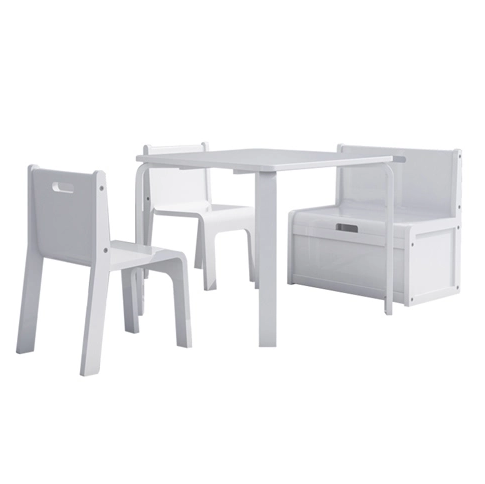
What Makes a Montessori Chair Table Different from Standard Kids Furniture — and Why the Design Philosophy Determines the Educational Value
Understanding what a Montessori chair table is — and how its child-sized proportions, stable geometry, rounded edge finishing, lightweight construction, and easy-clean surface work together to create a furniture system that supports toddler independence rather than adult dependency — is essential for procurement managers evaluating children's furniture specifications for Montessori and student-centered early learning applications.
Product Definition: Montessori Chair Table as a Prepared Environment Tool
A Montessori chair table is a child-sized table-and-chair system designed to help toddlers and preschoolers use furniture independently — sitting down, standing up, moving the chair into position, reaching the tabletop comfortably, and beginning activities without waiting for adult assistance. Unlike decorative children's furniture that prioritizes appearance over function, Montessori-inspired furniture focuses on accessibility, stability, order, practical use, and child autonomy as the primary design criteria.
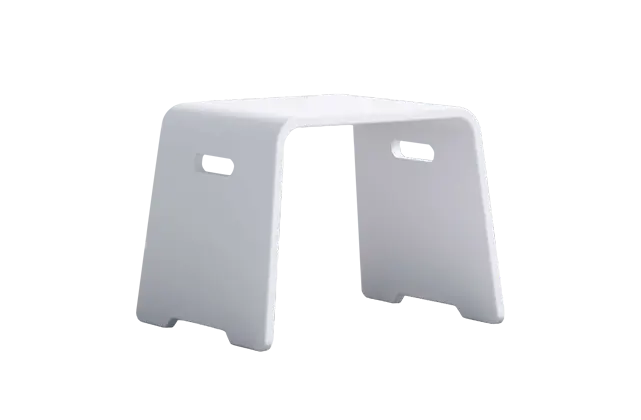
A Montessori cube table and chair often uses a compact geometric design that allows children to sit, work, read, eat, or play at an appropriate height — with the cube-style chair potentially supporting multi-purpose use, easy storage, and flexible classroom layouts that standard fixed-height chairs cannot provide.
Core Educational and Commercial Value Framework
| Feature | Montessori Educational Value | B2B Commercial Value |
|---|
| Child-sized height | Children can sit and work without adult help | Better classroom independence and teacher efficiency |
| Stable structure | Supports safe sitting, leaning, and daily use | Lower complaint and return risk |
| Rounded edges | Reduces injury risk from bumps during active movement | Strong safety selling point for schools and parents |
| Lightweight but sturdy | Children can move chairs independently | Fits flexible classroom layouts |
| Easy-clean surface | Supports snack, art, painting, and sensory work | Lower maintenance workload for schools |
| Natural wood appearance | Fits Montessori and premium preschool aesthetics | Higher retail and institutional value |
How Miniaturized Design Builds Toddler Independence — and How to Set Up a Montessori Classroom with the Right Furniture
The technical mechanism by which child-sized proportions, appropriate seat height, lightweight construction, and rounded edge design work together to create the independence-building prepared environment that Montessori education requires — and how these design principles translate into the specific furniture specifications that procurement managers should evaluate — is the core educational and product knowledge that children's furniture buyers need to specify the right Montessori chair table for their application.
How the Miniaturized Design Principle Works
The key principle behind a Montessori chair table is straightforward: reduce the environment to the child's scale. When the table height, chair height, seat depth, and furniture weight are appropriate for toddlers, children can use the space without waiting for adults — sitting down independently, standing up without assistance, moving the chair into position, reaching the tabletop comfortably, and beginning activities through their own initiative. Each of these independent actions builds the confidence, coordination, and sense of competence that Montessori education identifies as foundational to healthy development.
How Child-Sized Proportions Support Each Independence Milestone
| Design Principle | Child Independence Benefit | Classroom Operational Benefit |
|---|
| Low seat height | Child can sit down and stand up independently | Reduces teacher physical assistance |
| Proper table height | Arms rest naturally for drawing, eating, and work | Improves focus, posture, and fine motor control |
| Lightweight chair | Child can move chair into position independently | Builds responsibility and classroom order |
| Stable base | Reduces wobbling and tipping during active use | Supports safer daily use without adult supervision |
| Rounded edges | Protects during active movement and quick turns | Lowers injury risk in busy classroom environments |
Homish highlights that its kids chairs are lightweight yet sturdy and designed with seat heights suitable for little ones, while the tables provide surface area for crafts, painting, snacks, and other activities — and that its kids table and chair sets feature smooth, rounded edges to help minimize injury risk and are easy to clean and maintain for long-term use.
How to Set Up a Montessori Classroom: The Complete Answer for 2026
Setting up a Montessori classroom requires creating a calm, organized, child-centered environment where children can access furniture and materials independently — with the furniture selection being the foundation that makes everything else possible:
Use child-sized tables and chairs with seat heights and table heights appropriate for the specific age group — toddlers, preschoolers, or kindergarten-age children — so that every child can sit, work, and stand independently
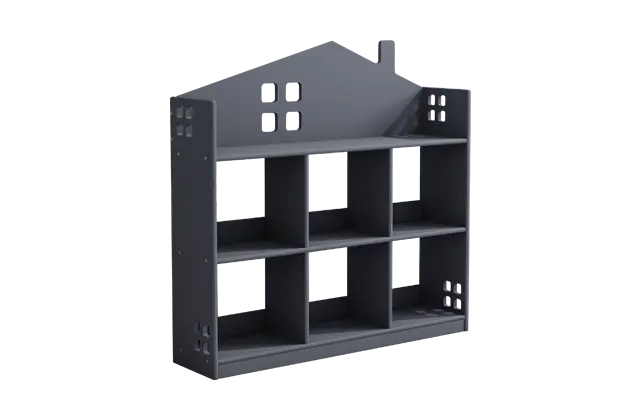
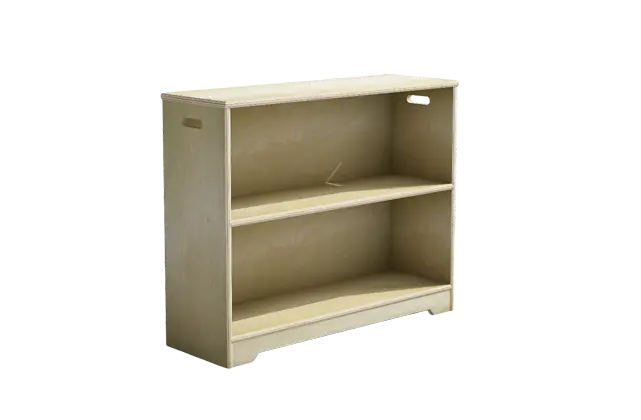
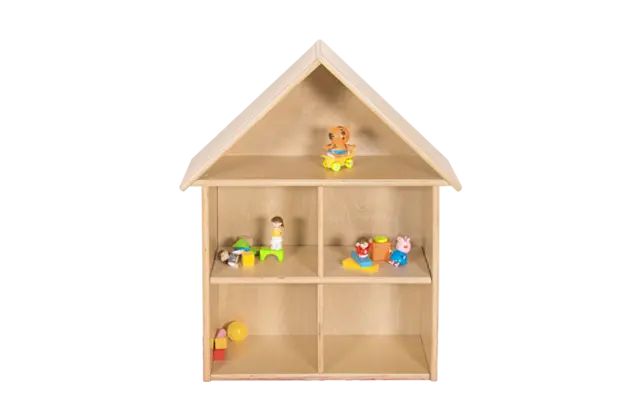
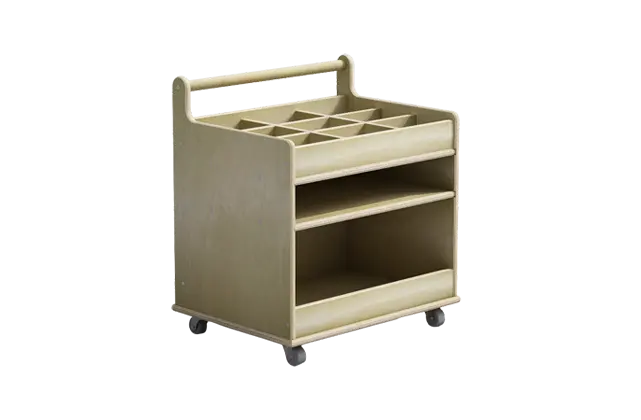
Keep shelves low and open so children can access and return materials without adult assistance
Arrange materials by activity area — practical life, art, reading, sensory work, and group work — with clear visual organization that children can understand and maintain
Leave clear pathways for movement between activity areas so children can move freely without disrupting others
Choose rounded-edge furniture for all surfaces that children will contact during active movement
Select lightweight chairs that children can move independently to their chosen work area
Keep each activity area simple and uncluttered so children can focus on the activity rather than managing the environment
Provide furniture that children can use, move, and return without adult help — making the furniture itself a tool for building independence and responsibility
Montessori Chair Table Component Breakdown and Selection Guide
The systematic evaluation of Montessori chair table components — wood material, seat height, table height, edge finishing, stability design, surface coating, and packaging — against the requirements of the specific educational application is the technical procurement knowledge that ensures the selected furniture delivers the independence-building performance and safety that Montessori and student-centered early learning environments require.
Core Component Evaluation Framework
| Component | What to Evaluate | Educational and Safety Impact |
|---|
| Table height | Match toddler or preschool age group | Supports comfortable work posture and arm positioning |
| Chair seat height | Allows child to sit independently with feet near floor | Builds autonomy and physical stability |
| Chair weight | Light enough for children to move, stable enough for use | Supports practical independence and classroom flexibility |
| Tabletop surface | Smooth, durable, easy to wipe | Useful for snacks, art, and classroom work |
| Wood material | Birch, beech, pine, or plywood | Affects strength, appearance, and environmental positioning |
| Corners and edges | Rounded and smooth on all exposed surfaces | Reduces bump and scratch risk during active movement |
| Legs and base | Stable footprint and strong joints | Reduces tipping and wobbling during daily use |
| Finish and coating | Smooth, child-safe, low odor | Supports parent and school confidence |
Montessori Chair Table vs Standard Kids Table Set
| Evaluation Factor | Montessori Chair Table | Standard Kids Table Set |
|---|
| Design purpose | Independence, order, practical use, prepared environment | General play or study |
| Height logic | Child-sized for self-use at specific age range | May vary by age and supplier |
| Classroom fit | Strong for Montessori and student-centered spaces | Broad general use |
| Safety focus | Rounded edges, stability, accessibility as core design criteria | Depends on supplier and price point |
| Mobility | Often lighter and easier for children to move | May be heavier or fixed |
| Learning value | Supports self-directed work, routines, and independence | Supports basic sitting and activity |
| Best buyers | Montessori schools, daycare suppliers, premium kids furniture brands | General retailers and home furniture buyers |
Commercial Application Coverage
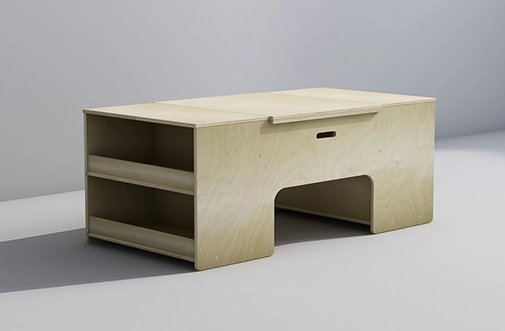
A Montessori chair table is suitable for Montessori classrooms, preschools, kindergartens, daycare centers, nursery rooms, home learning corners, playrooms, children's libraries, parent-child activity centers, early learning centers, kids furniture retail stores, educational furniture wholesalers, and e-commerce private-label brands — covering the full range of early learning environments where child-sized furniture supports independence and student-centered learning.
Homish's product category includes kids chairs and table sets as well as Montessori classroom furniture products, making the line relevant for home, preschool, kindergarten, and classroom furniture procurement across multiple channels and markets.
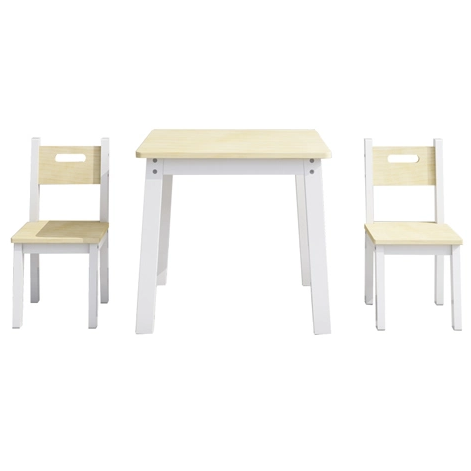
Montessori Chair Table Procurement Checklist and Maintenance Guide
Procuring the right Montessori chair table for a specific educational application requires systematic pre-order confirmation of age group requirements, dimensional specifications, material preferences, safety documentation, and quality control procedures — and maintenance guidance that protects the furniture's performance and appearance through the daily use of early learning environments.
Pre-Procurement Checklist for Montessori Chair Table Bulk Buyers
Before requesting a quotation for Montessori chair table products, prepare and confirm the following:
Confirm the target age group — toddlers, preschoolers, or kindergarten-age children — and verify that the selected seat height and table height are appropriate for the specific age range
Confirm the application — home learning corner, daycare center, preschool classroom, Montessori school, or retail — and verify that the selected design, material, and construction quality are appropriate for the use intensity of the application
Confirm the material preference — birch, beech, New Zealand pine, or plywood — and verify that the selected material provides the strength, appearance, and environmental positioning that the buyer's market requires
Confirm the rounded edge requirement — and verify that all exposed corners and edges on both the table and chairs are rounded and sanded to the standard required for the target age group
Confirm the load-bearing capacity — and verify that the chair and table can support the maximum recommended load for the target age group under the repeated use conditions of daily classroom or home use
Confirm the surface coating quality — and verify that the finish is smooth, easy to clean, and appropriate for the food, paint, and craft use that early learning environments create
Confirm the packaging protection — and verify that the export carton design provides adequate protection for the shipping conditions of the destination market
Confirm the private-label packaging availability — and verify that the supplier can provide custom packaging, assembly instructions, and labeling that meet the buyer's brand and market requirements
Maintenance Guide for Schools and End Users
Use the table and chairs on flat indoor surfaces — avoiding uneven outdoor surfaces that create the dynamic load conditions that most stress the furniture's stability and joint integrity
Wipe surfaces with a soft damp cloth after snacks, painting, or crafts — the easy-clean surface of quality Montessori chair table products is designed for this routine cleaning without requiring special products
Avoid soaking wooden parts in water — prolonged water exposure can affect wood structure and coating adhesion
Check screws, joints, and chair stability regularly — verifying that fasteners remain tight and joints are secure prevents the progressive loosening that creates structural safety risks
Do not allow children to stand on chairs or tables — the furniture is designed for sitting and surface use, not climbing load
Store in a dry, ventilated indoor space — protecting the furniture from prolonged humidity that can affect wood quality and coating performance
Conclusion: A Well-Designed Montessori Chair Table Is the Early Learning Environment Investment That Empowers Toddler Independence, Supports Prepared Environment Principles, and Delivers the Educational and Commercial Value That Student-Centered Learning Requires in 2026
In 2026, the Montessori schools, daycare centers, preschools, and children's furniture wholesalers that achieve the strongest educational outcomes, the highest parent and teacher satisfaction, and the most consistent repeat order performance from their furniture programs are those that have invested in properly designed Montessori chair table solutions — choosing the child-sized proportions, rounded edge finishing, lightweight construction, stable geometry, and easy-clean surfaces that allow toddlers to sit, work, eat, draw, and learn independently in the prepared environment that Montessori education requires. A Montessori cube table and chair that meets these design principles is not simply a smaller version of adult furniture — it is an educational tool whose design directly determines whether the classroom empowers children's independence or creates the adult dependency that contradicts the goals of student-centered early learning.
Homish supplies children's wooden furniture and Montessori-related products for homes, schools, playrooms, kindergartens, daycare centers, wholesalers, retailers, and private-label buyers seeking durable, practical, and child-centered early learning furniture.
Contact Homish today to discuss your classroom layout, target age group, seat height, table size, material preference, safety requirements, private-label packaging, quantity, and bulk order plan for kids chairs and table products. Homish can help evaluate the right Montessori chair table specification for your educational application and provide the construction quality, design safety, and supply reliability that professional Montessori and early learning furniture procurement requires.
Frequently Asked Questions
Q1: What is a Montessori chair table and why is it different from standard kids furniture?
A Montessori chair table is a child-sized table-and-chair system designed to help toddlers and preschoolers sit, work, eat, draw, read, and play independently in a prepared learning environment — without requiring adult assistance for basic use. Unlike standard kids furniture that may prioritize appearance or general play use, a Montessori chair table focuses on child-sized proportions that allow independent sitting and standing, lightweight construction that children can move independently, rounded edges that protect during active movement, stable geometry that prevents tipping, and easy-clean surfaces that support the food, paint, and craft activities of daily early learning use.
Q2: How does a Montessori chair table foster toddler independence?
A Montessori chair table fosters independence by using child-friendly dimensions that allow children to sit down, stand up, move the chair into position, reach the tabletop comfortably, and begin activities through their own initiative — without waiting for adult assistance. Each of these independent actions builds the confidence, coordination, and sense of competence that Montessori education identifies as foundational to healthy development. When the furniture is sized correctly for the child, the classroom environment becomes a space where children can act autonomously rather than waiting for adult permission or physical help.
Q3: How to set up a Montessori classroom with the right tables and chairs?
Set up a Montessori classroom by using child-sized tables and chairs with seat heights and table heights appropriate for the specific age group, keeping shelves low and open for independent material access, arranging materials by activity area with clear visual organization, leaving clear pathways for movement between areas, choosing rounded-edge furniture for all surfaces children will contact during active movement, selecting lightweight chairs that children can move independently, keeping each activity area simple and uncluttered, and providing furniture that children can use, move, and return without adult help — making the furniture itself a tool for building independence and responsibility.
Q4: What is the difference between a Montessori cube table and chair and a standard kids table set?
A Montessori cube table and chair uses a compact, stable, multi-functional design that fits Montessori-style classrooms and toddler independence — with the cube-style chair potentially supporting multi-purpose use, easy storage, and flexible classroom layouts. The design prioritizes accessibility, independence, and prepared-environment principles as core criteria. A standard kids table set may support general play or study but may not focus as strongly on the child-sized proportions, lightweight construction, and independence-building design principles that Montessori education requires.
Q5: What should B2B buyers check before ordering Montessori furniture in bulk?
Buyers should check the seat height and table height for the target age group, the wood material and verify it provides the strength and appearance required for the application, the rounded edge finishing on all exposed surfaces, the anti-tip stability design, the load-bearing capacity for the target age group, the surface coating quality and ease of cleaning, the packaging protection for export shipping, the assembly instruction quality, the safety documentation available for the target market, and the supplier's quality control process for consistent batch production.
 Aug 12, 2025